Don't dismantle what already works.
The factory pack is the safest thing in the room. We leave it intact — modules, BMS, thermal management — the way the vehicle engineers signed it off.
Better Life Batteries is a small Mount Crosby operation that rescues retired EV battery packs, signs them off, and puts them on the walls of Queensland homes.
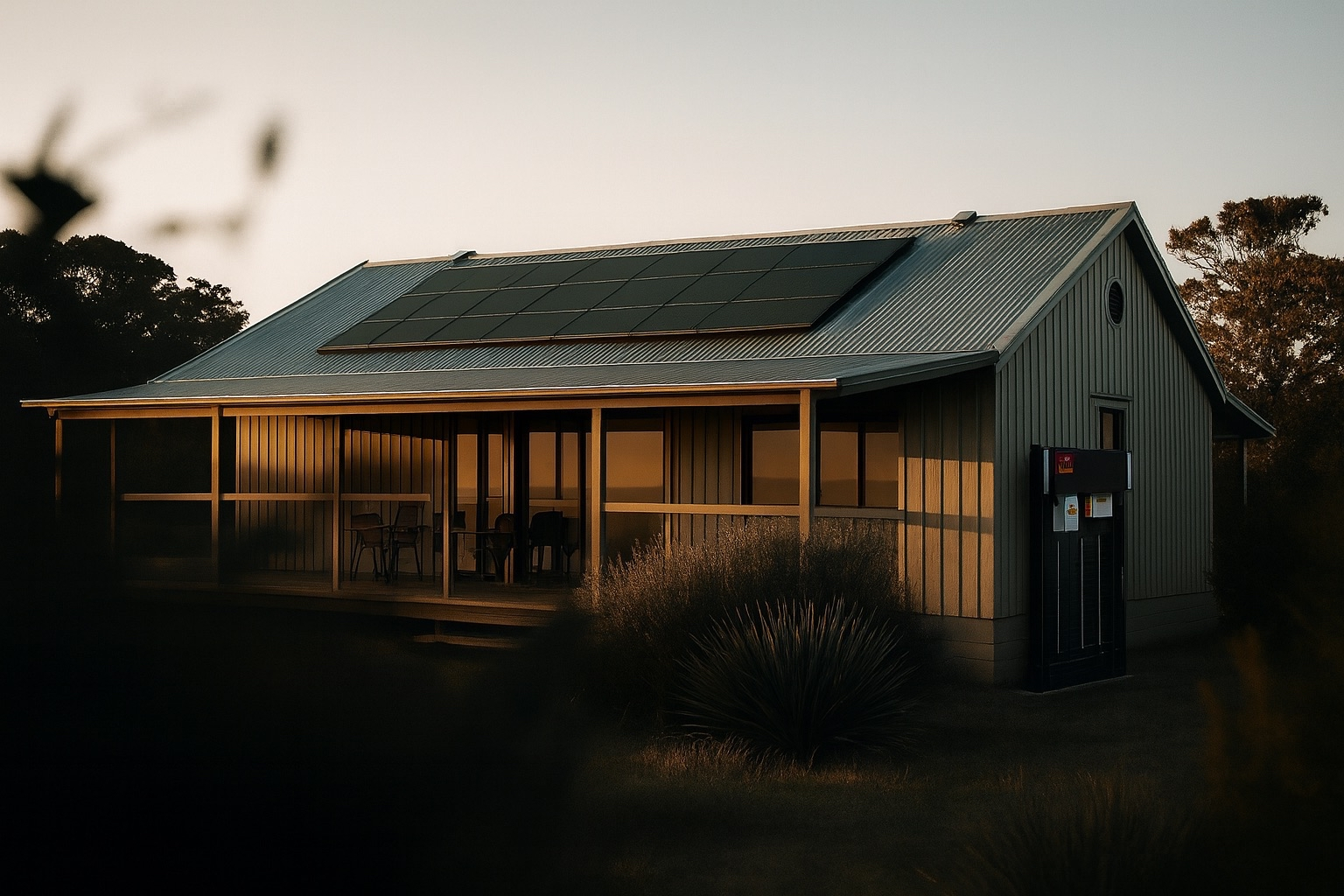
We started because it felt ridiculous. State-of-the-art battery packs — the same hardware that propels an electric car down the highway — sitting in yards waiting to be scrapped. While homes down the road were being quoted $20k for a fraction of the capacity.
Based in Western Brisbane, we developed a safe way for retired EV packs to talk to the solar inverters that Queensland homes already have on the wall. The pack stays intact — original chemistry, original Battery Management System, original factory safety. We just build the bridge.
The result is something we think should've existed years ago: big, quiet, Tesla-grade home storage at roughly industrial-scale pricing, installed by your own licensed sparky, and signed off by a chartered engineer before it leaves the workshop.
When the product on your wall is a 400 V lithium pack, technical judgement matters more than marketing.
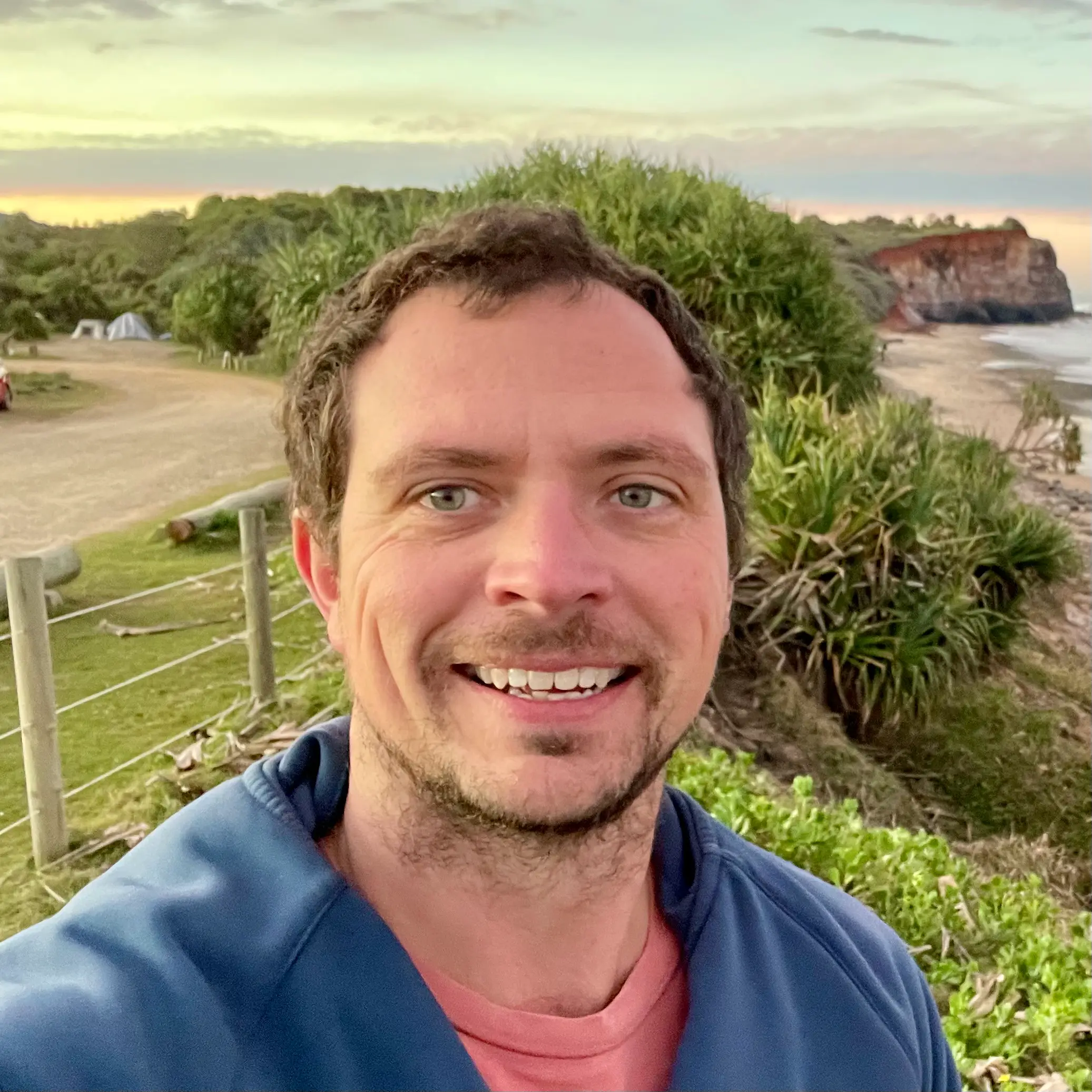 Sam · Mt Crosby workshop
Sam has spent a decade and a half delivering electrical assets for Queensland — substations, transmission, the unglamorous end of the grid. That engineering background shapes how every pack is assessed, paired with an inverter and signed off for installation.
Every Better Life Battery is individually tested and retains its original Tesla-grade Battery Management System, with an extra layer of software safeguards on top. Nothing leaves the workshop without a full health report.
The factory pack is the safest thing in the room. We leave it intact — modules, BMS, thermal management — the way the vehicle engineers signed it off.
Every pack gets a measured health report. Not a spec sheet, not a round number — actual cycles, capacity, cell spread. Sign off or walk away.
A pack that's done its highway years still has a decade of house-powering left. Anything we can't rehome gets harvested for cells, not skipped.
No call centre. You email the workshop, and someone who's handled the packs replies. Usually same day.